
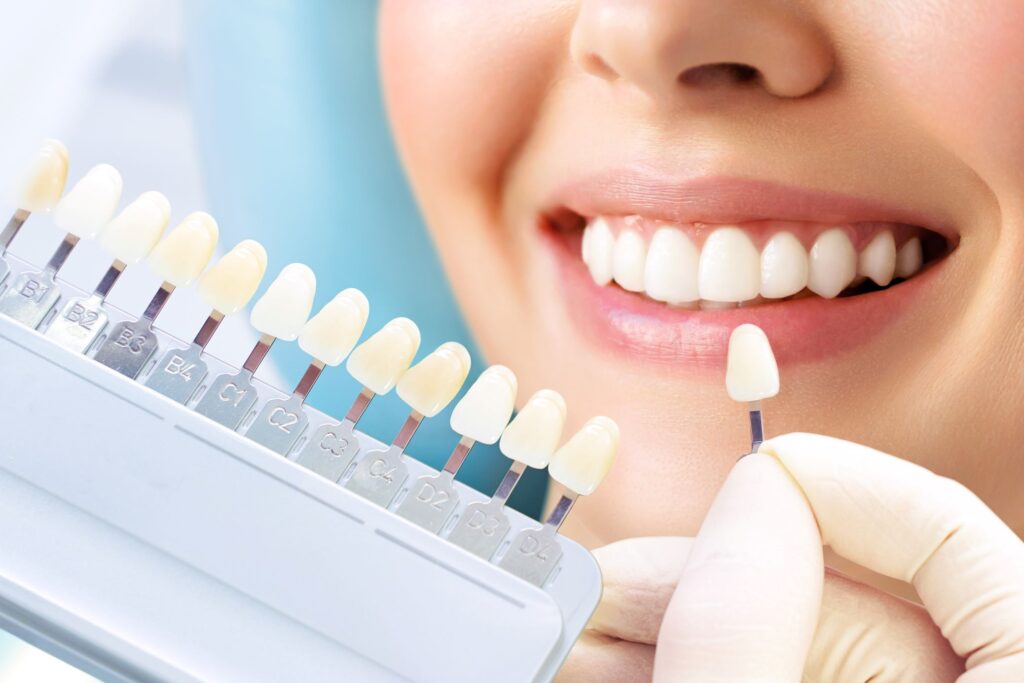
One of the first things others notice about you is the quality of your smile. Unfortunately, if you have flaws in your teeth, you might develop anxiety or depression if you’re overly worried about being judged for your appearance.
Your dentist can provide one or more cosmetic services to address your concerns and boost your confidence. Today, these treatments are largely considered non-invasive and are safe for most people, but that hasn’t always been the case. Continue reading to learn more about the history of how these procedures evolved over time!
When Did People Start Enhancing Their Smiles?
Would you be surprised to learn that researchers have discovered evidence that humans have been upgrading their grins since ancient times? For instance, there’s record of ancient Etruscans using unusual materials, like ivory and animal teeth, to try to close gaps in their grins. These replacement teeth were likely intended to be more cosmetic than functional because the materials would have been rejected by the human body and probably couldn’t withstand the pressure of biting or chewing.
How Did Cosmetic Dentistry Evolve?
The Etruscans weren’t the only ancient culture trying to improve their looks by addressing dental flaws. Ancient Egyptians sometimes used seashells, precious metals like gold, and gemstones to improve their smiles. The Romans were also concerned enough with the appearance of their grins that they made their own whitening toothpaste that included their own urine. This seems unfathomable today, but at the time, they used it for the ammonia content, which helped remove stains.
Then, in Medieval Europe, barbers began caring for their clients’ teeth as part of routine upkeep. They sometimes filed teeth or coated them with acidic materials to brighten them, but unfortunately, they didn’t realize they were harming people’s enamel in the process. Between unhealthy dental practices and the skyrocketing consumption of sugar, tooth loss became a common problem. As a result, replacement teeth became a high-demand commodity for cosmetic and functional purposes.
It wasn’t until more modern materials were developed that cosmetic dentistry began progressing in leaps and bounds. As scientists, doctors, and dentists began exploring new options, treatments became more comfortable and accessible for larger populations. For instance, in the 20th century, acrylic resin and porcelain were combined to build durable dentures that could fit more comfortably in the mouth.
Eventually, other popular options, like porcelain veneers to cover injured enamel, were created to help improve patients’ appearances.
Is Cosmetic Dentistry Right for Me?
It’s natural to want to improve your appearance, but you must consult your dentist before scheduling any elective procedures. This allows them to examine your mouth to ensure no issues, like cavities or gum disease, interfere with the results.
Then, they can put together a treatment plan to help you build and maintain the healthiest, most beautiful version of your smile!
Meet the Author
Dr. Toufeek Dabah is passionate about helping families in Schaumburg improve their daily lives by increasing their dental health. He earned his dental degree from Midwestern University and is an active member of professional organizations, such as the American Dental Association, to stay current with contemporary treatment options. Today, he offers a comprehensive menu of services, including cosmetics, to meet all your needs under one roof. You can request an appointment on the website or by calling (847) 882-8387.