
Dental implants are widely regarded as the gold standard for replacing missing teeth. They look, feel, and function like natural teeth, and they can last a lifetime with proper care. However, not everyone is immediately a candidate for dental implants. One common reason? Not enough bone in the jaw. That’s where bone grafting comes in. If your dentist has told you that you need a bone graft before getting a dental implant, you might be wondering why. Let’s break down the reasons, the process, and what it means for your smile.
What is a Bone Graft?
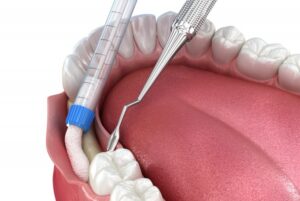
A bone graft is a procedure that adds volume and density to your jawbone where bone has been lost or is too thin to support an implant. The grafted material can come from your own body, a donor, an animal source, or be synthetic. Over time, your body replaces the graft with your own natural bone, creating a solid foundation for the implant.
Why is Bone Important for Implants?
Dental implants rely on a process called osseointegration, where the implant post fuses with your jawbone. This strong connection is what allows implants to function like natural tooth roots. But for this process to work, there needs to be enough healthy bone to support the implant securely.
Without sufficient bone, the implant may not integrate properly, leading to instability, failure, or even damage to surrounding structures.
Common Reasons for Bone Loss
There are several reasons you may not have enough bone for a dental implant:
- Tooth loss: When a tooth is lost and not replaced, the jawbone beneath it begins to shrink due to lack of stimulation.
- Gum disease: Advanced periodontal disease can destroy the supporting bone structure around teeth.
- Injury or trauma: Accidents or facial injuries can lead to bone loss.
- Infections: Dental infections or abscesses can damage bone tissue.
- Tooth extraction: In some cases, bone starts deteriorating shortly after an extraction if no graft is placed.
When is a Bone Graft Needed?
Your dentist or oral surgeon will evaluate your jaw using X-rays or 3D scans to determine bone volume and density. If the bone is too thin or soft, they may recommend a bone graft before proceeding with the implant. Sometimes, a bone graft can be done at the same time as implant placement, but in other cases, you may need to wait several months for healing before the implant can be placed.
What to Expect from the Procedure
Bone grafting is a routine and safe procedure. Recovery time depends on the size of the graft and your body’s healing response, but it generally takes a few months for the bone to fully integrate and become strong enough to support an implant.
While the idea of a bone graft may sound intimidating, it’s a critical step for many patients to ensure the long-term success of a dental implant. Think of it as laying a solid foundation before building a house – it’s all about stability and longevity.
About the Practice
At The Smile Standard, we can transform your dreams into reality with dental implants. If you’re ready to restore your smile and confidence, we’re ready to provide you with the gold standard for missing teeth, whether it’s just one, several, or all of them! Schedule your appointment today via our website or call our Schaumburg office at (847) 882-8387.